Fragrance Families Explained: How to Choose a Scent That Lasts All Day
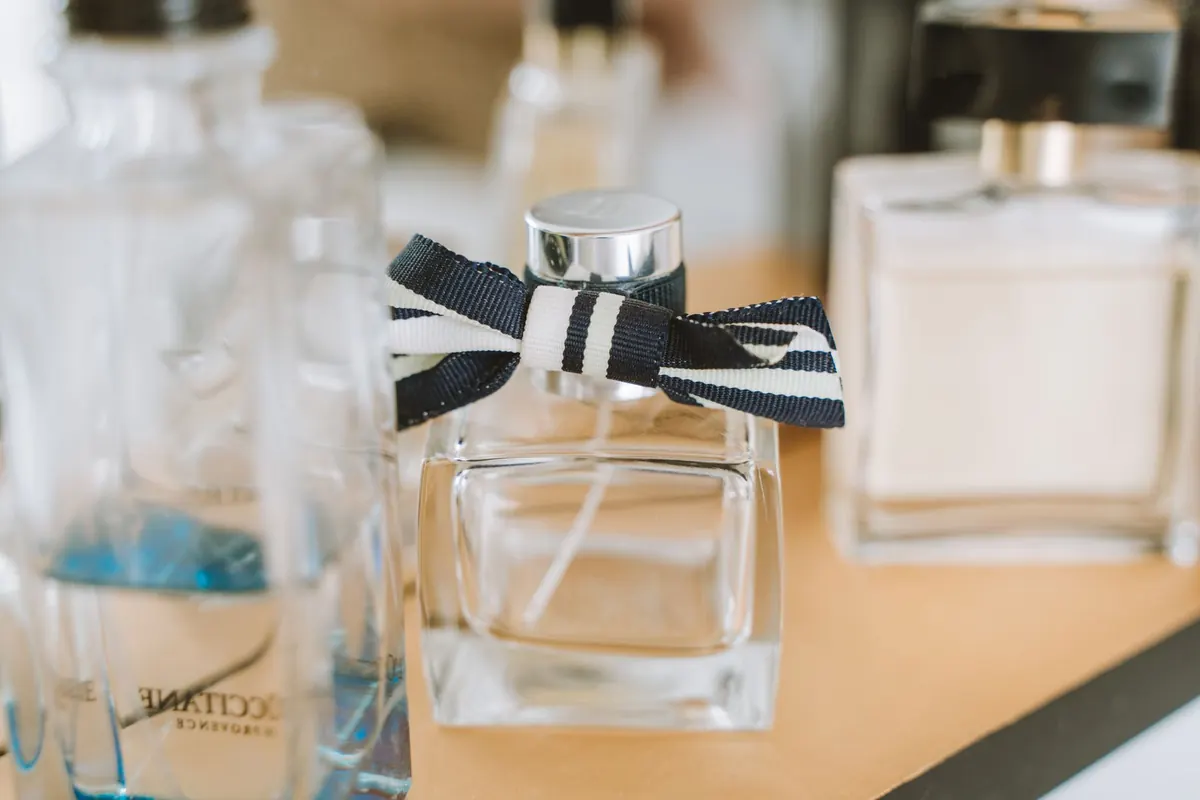
A scent can feel like a signature at 9 a.m. and a rumour by 3 p.m. Sometimes the bottle you loved on a friend turns sharp on your own skin; sometimes the one that smelled perfect at the counter vanishes before lunch. Fragrance families are the simplest way to make sense of those surprises. They explain why a peony mist evaporates while an amber lingers, and why a dry cedar can feel like armour on a Monday morning.
Perfumers group scents by their dominant materials and overall character. There are more than a dozen official families, with subfamilies and constant crossovers, but most everyday choices land in four: floral, woody, fresh, and oriental — the last now often labelled amber or ambery, since the older term carries uncomfortable colonial baggage.
A family is a starting point, not a cage. An amber can smell powerfully floral if rose leads the composition. A fresh scent can be citrus, green, or aquatic. What matters is the core idea: softness, structure, brightness, or depth. Find the one that matches how you want to feel, then start sampling bottles.
Rose, jasmine, peony, gardenia, lily of the valley, orange blossom. This range is enormous, from a single-note soliflore to a full bouquet. Airy florals such as peony and freesia tend to fade within a few hours; rose, jasmine, and tuberose, especially when wrapped in musk or patchouli, can hold for a full day.
Cedar, sandalwood, vetiver, patchouli, guaiac wood. Dry, composed, and usually more textured than sweet. Woods sit in the base of countless perfumes because their molecules are heavy and slow to evaporate, which makes this the most reliable family for longevity. It reads as polished rather than flirtatious, which is why it dominates office-friendly scents.
Citrus, green leaves, cut grass, herbs, sea air, light white florals. Bright, immediate, and flattering in heat. It is also the shortest-lived family, because citrus oils evaporate quickly. If you love fresh, either plan to reapply or look for a fresh scent built on a woody-musk base that anchors it.
Amber, vanilla, resins, incense, spices, tonka bean. Rich, warm, and often sweet. These are the longest-lasting and the most divisive, and one or two sprays is usually plenty. Best in cool weather and after dark, when their weight feels enveloping rather than heavy.
Florals suit people who enjoy being noticed gently; they are romantic, expressive, and easy to wear in company. Woods appeal to anyone who prefers understatement — decisive, calm, low-drama. Fresh scents fit brisk, casual, sporty temperaments and pair naturally with jeans and a clean shirt. Ambers attract the confident and the comfort-seeking, people who like a scent with presence.
Treat those as loose tendencies, not rules. A reserved person can wear a bold amber beautifully; a gregarious one can wear a quiet floral. The better questions are practical: how much presence do you want in a room, how do you want to feel at 4 p.m., and does the scent still please you after eight hours on skin?
Warmth speeds evaporation, so a fragrance smells stronger in July but disappears sooner. Cold slows everything down, which is why a scent that felt thin in winter can bloom in summer. Use the season to guide your pick:
One more thing: you go nose-blind to your own perfume long before anyone else does. If you can no longer smell it, that is not permission to spray again.
Paper strips show a composition; your skin shows the truth. Spray candidates on skin, limit yourself to two or three per visit because your nose tires quickly, and put each one in a different spot so you can tell them apart. Then leave the store and wait at least an hour — the opening ten minutes are top notes, not the real scent. The drydown is what you will live with all day.
If a fragrance still pleases you after a full day, ask for a sample and wear it through your ordinary routine: the commute, a workday, a dinner. Only then buy the bottle. If you have sensitive skin, asthma, or are pregnant, patch test first and speak to a pharmacist or doctor about any reaction.
Start with the family whose description made you nod, then test two or three specific bottles within it. Pick one for daytime and one for evenings, and let the seasons adjust the rest. A warm-weather fresh scent and a cool-weather amber will cover most of your year, and a dry woody can bridge both. Longevity comes from the family, the concentration, and how you apply it — not from how much you spray. Choose slower, wear it a week, and you will end up with something that lasts from morning to evening and still smells like you.
Photo: Anastasia Shuraeva / Pexels
Previous Post
How to Fix Frizzy Hair in Toronto Humidity: A Step-by-Step Routine
Next Post
The Beauty Sleep Checklist: 8 Evening Habits for Better Skin by Morning